
Study Destinations
Need help? Contact our experts
+92 320 4468599
Seek knowledge even if you have to go as far as China, for seeking knowledge is a duty on every Muslim.
United States
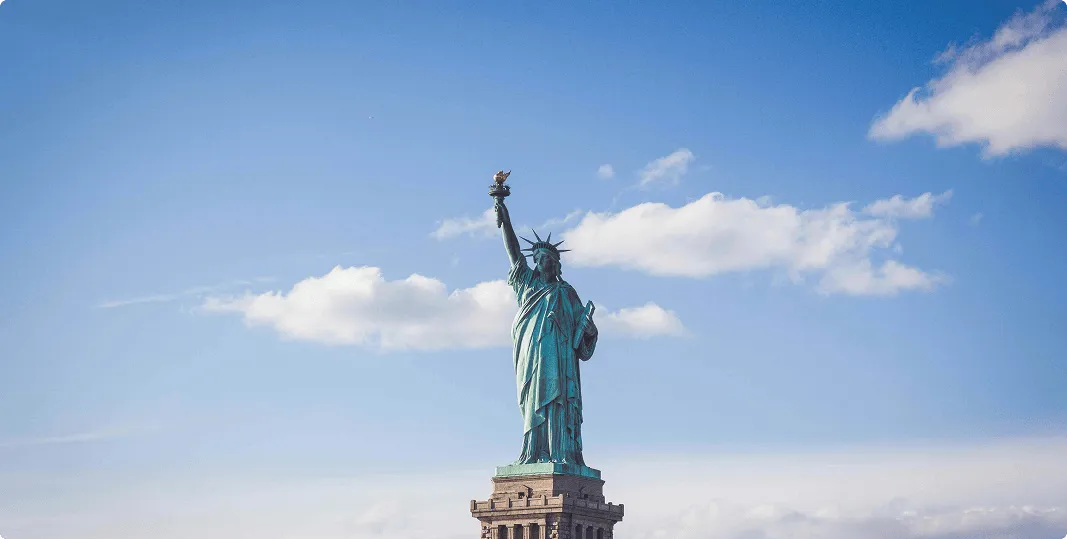
This guide provides essential information for Pakistani applicants seeking a USA immigration visa. It outlines the different types of visas available, explains their requirements, and details the application procedures. This resource aims to help applicants understand which visa category best suits their needs and guides them through the steps of the application process, from filing the initial petition to preparing for the visa interview. This straightforward approach will assist you in navigating the complexities of the USA immigration system efficiently.
Table of contents
- Why immigrate to the USA?
- Types of USA Immigration Visas
- USA Immigration Visa Requirements
- Comparison of Immigration Visa Categories
- Required Documentation
- Visa Interview Process
- Processing Time
- Eligibility Criteria
- Financial Requirements
- USA Immigration Visa Checklist
- Book a Meeting with Expert
What is a USA Immigration Visa?
A USA immigration visa allows individuals from other countries to move to the United States for permanent residency. This visa is a prerequisite for obtaining a Green Card, which signifies lawful permanent resident status in the U.S.
Get Free Consultation
Get a call-back within 24 hours
Types of USA Immigration Visas
- Family-Based Visas (FB): These visas are for close relatives of U.S. citizens and permanent residents. They are divided into immediate relative visas and family preference visas.
- Employment-Based Visas (EB): Issued to individuals who are recognized as professionals, skilled and unskilled workers, and other special cases whose employment in the U.S. can benefit the economy.
- Diversity Visas (DV): Offered through a lottery system to nationals from countries with historically low rates of immigration to the U.S.
Comparison of Visa Types
- Family-Based Visas prioritize immediate family members, including spouses, children, and parents of U.S. citizens, with no annual cap, whereas extended family members fall under capped family preference categories.
- Employment-Based Visas often require a U.S. employer to sponsor the applicant and prove that filling the position with a foreign worker is necessary.
- Diversity Visas do not require sponsorship but have strict eligibility criteria based on nationality and either educational attainment or work experience.
Application Process
Step-by-Step Guide
- Determine Eligibility: Identify which visa category fits your circumstances (family-based, employment-based, or diversity).
- Petition Filing: For family and employment visas, a U.S. sponsor must file an immigrant petition on your behalf with USCIS. Diversity Visa applicants must submit an entry during the DV lottery window.
- Petition Approval: Wait for USCIS to approve the petition and transfer your case to the National Visa Center (NVC).
- NVC Processing: After receiving your case from USCIS, the NVC will request fees, supporting documents, and completed application forms.
- Visa Application: Submit the visa application form, DS-260, online at the Consular Electronic Application Center.
Required Documentation
A passport valid for at least six months beyond your intended period of stay in the U.S.
Signed application form DS-260 confirmation page.
Civil documents: Birth certificate, marriage certificate (if applicable), divorce or death certificate of previous spouse (if applicable), police certificates from all countries lived in since age 16.
Financial support documents to show you will not become a public charge.
Visa Interview
Prepare for a personal interview at the U.S. Embassy or Consulate, where an officer will assess your application based on U.S. immigration laws. You will need to bring all original documents, including your passport and any other required documents.
Processing Time
Processing times can vary widely based on visa category, country of origin, and specific case factors. Typically, family-based visas can take from a few months to over a year, employment-based visas depend on the petition and labor certification, and diversity visas follow the annual lottery and subsequent processing timelines.
Eligibility Criteria
- Must demonstrate a genuine and qualifying relationship for family-based visas.
- Must have a valid job offer and labor certification for most employment-based categories.
- Must meet education or work experience requirements for diversity visas.
How Much Bank Statement Required for USA Immigration Visa?
The amount of funds shown in a bank statement required for a USA immigration visa can vary widely depending on the type of visa and the specific circumstances of the applicant. Here are some general guidelines and considerations:
Factors Influencing Required Amounts
- Type of Visa: Different visa categories might have different financial requirements. For example, an investor visa may require substantial sums to be shown as available for investment, while a family-based visa might focus more on proving sufficient income to support family members.
- Cost of Living: The expected cost of living in the area where you plan to reside in the U.S. can affect how much money you need to show. Living in major cities like New York or San Francisco requires significantly more funds than smaller cities or rural areas.
- Number of Dependents: The more dependents you have accompanying you or planning to join you later, the more financial resources you need to demonstrate to ensure you can support them in the U.S.
- Duration of Stay: Some visas, like student visas, require proof of funds for the first year of studies, while others, like permanent residency visas, may require proof of a more sustainable financial situation.
Typical Requirements
- Student Visas (F-1, M-1): Applicants must show enough funds to cover tuition and living expenses for at least the first year of studies. This could range from $20,000 to $50,000 or more, depending on the institution and location.
- Family-Based Visas: Sponsors must meet the 125% of the Poverty Guidelines for their household size, as established by the U.S. Department of Health and Human Services. The exact figures can be found in the Form I-864P, Poverty Guidelines.
- Employment-Based Visas: While these typically require proof of a job offer with a sufficient salary rather than a specific bank statement amount, showing savings can help prove financial stability.
- Diversity Visas: Although there’s no fixed amount, showing enough funds to cover living expenses for several months can be necessary. Amounts might range from $10,000 to $25,000.
Verifying Financial Capability
- Affidavit of Support: For many family-based and some employment-based visa applications, an affidavit of support (Form I-864) is required from the sponsor, which needs to show that they can support the immigrant at 125% above the mandated poverty line.
- Showing Assets: In addition to bank statements, applicants can also show assets like property, stocks, or bonds, which can help meet the financial requirements.
USA Immigration Visa Requirements from Pakistan
How to Apply for a USA Immigration Visa from Pakistan
- Prepare Documentation: Collect all necessary documentation, including civil documents and financial proofs.
- Visa Interview: Schedule and attend the visa interview at the U.S. Embassy in Islamabad. Be prepared with all your documentation and ready to answer personal and background questions related to your application.
- Medical Examination: Undergo a medical examination by an approved physician in Pakistan before your interview date.
- Visa Issuance and Collection: If your visa is approved, follow the instructions provided by the consular officer to collect your visa and prepare for travel.
By following this detailed guidance, Pakistani applicants can effectively navigate the USA immigration visa application process.
OUR FAQs
Frequently Asked Questions
1- What is a USA Immigration Visa?
The F-1 Visa is a study visa that allows international students to study full-time at an approved school, college, or university in the United States.
2. How long does it take to get a family-based visa?
You must be accepted by a U.S. school, prove you can afford your expenses, and show strong ties to your home country that ensure you will return after studies.
3. Do I need a sponsor for immigration?
Typically, you will need your passport, Form I-20, visa application form, SEVIS payment receipt, financial proof, academic records, and a valid admission letter.
4. What is the DS-260 form?
The SEVIS fee is a mandatory tracking-system fee you pay before your visa interview. It confirms your entry into the U.S. student database.
5. How much bank statement is required for immigration?
You can stay for the entire duration of your study program, plus an additional grace period (usually 60 days) after completing your course.
6. Can Pakistani applicants apply for the Diversity Visa?
Yes, but with rules. You can work part-time on campus and may apply for practical training (OPT/CPT) related to your field of study.
7. Can I work immediately after receiving an immigrant visa?
Yes, most schools require health insurance for international students, and it helps protect you from high medical costs in the U.S.
8. How do I bring my family with me?
It’s possible, but not automatic. You may qualify through employment, sponsorship, or other immigration programs after completing your degree.
9. Can I apply for a Green Card directly?
You must inform your school. You can stay only for your grace period unless you transfer, extend your program, or change your visa status.
This guide provides essential information for Pakistani applicants seeking a USA immigration visa. It outlines the different types of visas available, explains their requirements, and details the application procedures. This resource aims to help applicants understand which visa category best suits their needs and guides them through the steps of the application process, from filing the initial petition to preparing for the visa interview. This straightforward approach will assist you in navigating the complexities of the USA immigration system efficiently.
What is a USA Immigration Visa?
A USA immigration visa allows individuals from other countries to move to the United States for permanent residency. This visa is a prerequisite for obtaining a Green Card, which signifies lawful permanent resident status in the U.S.Types of USA Immigration Visas
- Family-Based Visas (FB): These visas are for close relatives of U.S. citizens and permanent residents. They are divided into immediate relative visas and family preference visas.
- Employment-Based Visas (EB): Issued to individuals who are recognized as professionals, skilled and unskilled workers, and other special cases whose employment in the U.S. can benefit the economy.
- Diversity Visas (DV): Offered through a lottery system to nationals from countries with historically low rates of immigration to the U.S.
Comparison of Visa Types
- Family-Based Visas prioritize immediate family members, including spouses, children, and parents of U.S. citizens, with no annual cap, whereas extended family members fall under capped family preference categories.
- Employment-Based Visas often require a U.S. employer to sponsor the applicant and prove that filling the position with a foreign worker is necessary.
- Diversity Visas do not require sponsorship but have strict eligibility criteria based on nationality and either educational attainment or work experience.
Application Process
Step-by-Step Guide
- Determine Eligibility: Identify which visa category fits your circumstances (family-based, employment-based, or diversity).
- Petition Filing: For family and employment visas, a U.S. sponsor must file an immigrant petition on your behalf with USCIS. Diversity Visa applicants must submit an entry during the DV lottery window.
- Petition Approval: Wait for USCIS to approve the petition and transfer your case to the National Visa Center (NVC).
- NVC Processing: After receiving your case from USCIS, the NVC will request fees, supporting documents, and completed application forms.
- Visa Application: Submit the visa application form, DS-260, online at the Consular Electronic Application Center.
Required Documentation
- A passport valid for at least six months beyond your intended period of stay in the U.S.
- Signed application form DS-260 confirmation page.
- Civil documents: Birth certificate, marriage certificate (if applicable), divorce or death certificate of previous spouse (if applicable), police certificates from all countries lived in since age 16.
- Financial support documents to show you will not become a public charge.
Visa Interview
Prepare for a personal interview at the U.S. Embassy or Consulate, where an officer will assess your application based on U.S. immigration laws. You will need to bring all original documents, including your passport and any other required documents.Processing Time
Processing times can vary widely based on visa category, country of origin, and specific case factors. Typically, family-based visas can take from a few months to over a year, employment-based visas depend on the petition and labor certification, and diversity visas follow the annual lottery and subsequent processing timelines.Eligibility Criteria
- Must demonstrate a genuine and qualifying relationship for family-based visas.
- Must have a valid job offer and labor certification for most employment-based categories.
- Must meet education or work experience requirements for diversity visas.
How Much Bank Statement Required for USA Immigration Visa?
The amount of funds shown in a bank statement required for a USA immigration visa can vary widely depending on the type of visa and the specific circumstances of the applicant. Here are some general guidelines and considerations:Factors Influencing Required Amounts
- Type of Visa: Different visa categories might have different financial requirements. For example, an investor visa may require substantial sums to be shown as available for investment, while a family-based visa might focus more on proving sufficient income to support family members.
- Cost of Living: The expected cost of living in the area where you plan to reside in the U.S. can affect how much money you need to show. Living in major cities like New York or San Francisco requires significantly more funds than smaller cities or rural areas.
- Number of Dependents: The more dependents you have accompanying you or planning to join you later, the more financial resources you need to demonstrate to ensure you can support them in the U.S.
- Duration of Stay: Some visas, like student visas, require proof of funds for the first year of studies, while others, like permanent residency visas, may require proof of a more sustainable financial situation.
Typical Requirements
- Student Visas (F-1, M-1): Applicants must show enough funds to cover tuition and living expenses for at least the first year of studies. This could range from $20,000 to $50,000 or more, depending on the institution and location.
- Family-Based Visas: Sponsors must meet the 125% of the Poverty Guidelines for their household size, as established by the U.S. Department of Health and Human Services. The exact figures can be found in the Form I-864P, Poverty Guidelines.
- Employment-Based Visas: While these typically require proof of a job offer with a sufficient salary rather than a specific bank statement amount, showing savings can help prove financial stability.
- Diversity Visas: Although there’s no fixed amount, showing enough funds to cover living expenses for several months can be necessary. Amounts might range from $10,000 to $25,000.
Verifying Financial Capability
- Affidavit of Support: For many family-based and some employment-based visa applications, an affidavit of support (Form I-864) is required from the sponsor, which needs to show that they can support the immigrant at 125% above the mandated poverty line.
- Showing Assets: In addition to bank statements, applicants can also show assets like property, stocks, or bonds, which can help meet the financial requirements.
USA Immigration Visa Requirements from Pakistan
How to Apply for a USA Immigration Visa from Pakistan
- Prepare Documentation: Collect all necessary documentation, including civil documents and financial proofs.
- Visa Interview: Schedule and attend the visa interview at the U.S. Embassy in Islamabad. Be prepared with all your documentation and ready to answer personal and background questions related to your application.
- Medical Examination: Undergo a medical examination by an approved physician in Pakistan before your interview date.
- Visa Issuance and Collection: If your visa is approved, follow the instructions provided by the consular officer to collect your visa and prepare for travel.