Study Destinations

Need help? Contact our experts
+92 320 4468599

Seek knowledge even if you have to go as far as China, for seeking knowledge is a duty on every Muslim.

Germany

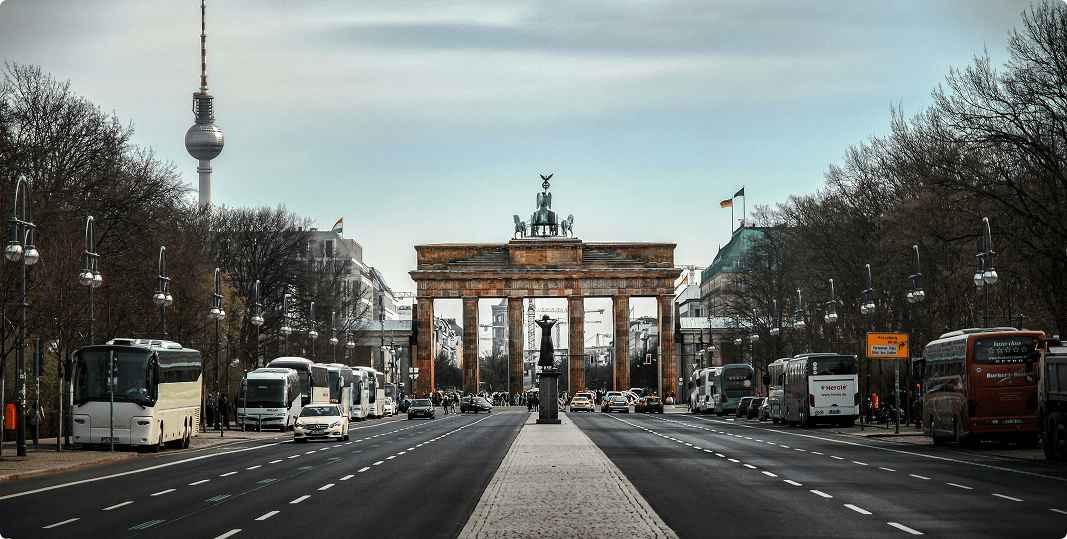
Germany is one of the world’s most attractive destinations for people seeking long-term residence, career growth, and a high standard of living. With its powerful economy, strong job market, world-class healthcare, and excellent social security system, Germany offers a clear pathway for skilled workers, professionals, entrepreneurs, and families who wish to immigrate permanently.

For individuals from non-EU/EEA countries, securing a Germany Immigration Visa (National D Visa) is the essential first step toward living, working, or settling in Germany long-term. This guide explains everything you need to know—from visa types and requirements to costs, processing times, and a detailed process specifically for applicants from Pakistan.

Table of contents

  • Why immigrate to Germany
  • Cost of relocating to Germany
  • Immigration visa requirements in Germany
  • Book a Meeting with an Expert
  • Skilled worker admission requirements
  • Germany Immigration Visa Cost
  • Germany immigration pathways
  • Permanent residency opportunities
  • What is Germany Immigration Visa?
  • Types of Germany Immigration Visas
  • Germany Immigration Visa Requirements

What is Germany Immigration Visa?

A Germany Immigration Visa, also known as a National Long-Stay Visa (Type D), allows non-EU/EEA citizens to enter Germany for long-term residence. This visa is the basis for obtaining a residence permit, which enables individuals to:

  1. Live in Germany

  2. Work legally

  3. Bring family members

  4. Apply for permanent residency

  5. Eventually apply for German citizenship

This visa category is intended for skilled workers, job seekers, IT professionals, family reunification cases, entrepreneurs, and others planning long-term settlement.

Skilled Worker Admission Requirements in Germany:

  • Valid passport
  • Professional qualification or university degree
  • Employment contract or job offer (for skilled workers)
  • Proof of work experience
  • German or English language proficiency (depending on job)
  • Proof of financial means
  • Health insurance
  • Curriculum Vitae (CV)
  • Proof of accommodation in Germany
  • Completed visa application forms
  • FAQS

Get Free Consultation

Get a call-back within 24 hours

Types of Germany Immigration Visas

Germany offers several pathways for long-term immigration:

1. Germany Skilled Worker Visa (Blue Card Germany / Skilled Worker Residence Permit)

For professionals with a recognized qualification and a job offer in Germany.

2. Germany Job Seeker Visa

Allows skilled workers to enter Germany and search for a job for up to 6 months.

3. Germany Work Visa

For individuals already hired by a German employer across various fields—IT, engineering, healthcare, construction, hospitality, etc.

4. Germany Family Reunification Visa

For spouses, children, and dependents wishing to join a family member legally living in Germany.

5. Germany Self-Employment / Entrepreneur Visa

For business owners, investors, and freelancers wanting to start a company or work independently in Germany.

6. Germany Researcher / Scientist Visa

For researchers invited by academic institutions or research centers in Germany.

Each visa type may require additional documents depending on the purpose.

Germany Immigration Visa Cost

  1. Visa Fee: €75

  2. Additional fees may apply for:

    1. Document verification

    2. Certification & translations

    3. Qualification recognition

The fee is non-refundable.

Germany Immigration Visa Processing Time

Processing time varies based on visa type:

  1. Skilled Worker Visa: 6–12 weeks

  2. Blue Card: 4–8 weeks

  3. Job Seeker Visa: 8–12 weeks

  4. Family Reunion Visa: 8–20 weeks

  5. Self-Employment Visa: 12–24 weeks

Applicants should apply at least 2–3 months before planned travel.

Germany Immigration Visa Appointment

Applicants must book an appointment at:

  1. German Embassy Islamabad, or

  2. German Consulate Karachi

All documents must be organized, complete, and properly verified before the appointment.

Germany Immigration Visa Success Rate

The success rate is high for applicants who:

  1. Provide complete documents

  2. Demonstrate relevant qualifications

  3. Show strong financial proof

  4. Have a genuine purpose of immigration

Skilled workers and professionals with verified qualifications typically enjoy the best approval rates.

Germany Immigration Visa from Pakistan

Pakistani applicants must apply through Islamabad or Karachi depending on their region. Requirements include:

  1. Verified educational documents

  2. Strong financial evidence

  3. Proof of job offer or career plan

  4. Police clearance

  5. Health insurance

  6. German translation of required documents

Due to security checks, processing may take slightly longer for Pakistani applicants.

How to Apply Germany Immigration Visa from Pakistan

Step 1: Choose the Correct Visa Category

Skilled worker, job seeker, family reunion, etc.

Step 2: Prepare All Necessary Documents

Passport, qualifications, financial proof, insurance, appointment forms, job offer, etc.

Step 3: Book Your Visa Appointment

Through the official portal of the German Embassy/Consulate.

Step 4: Attend Visa Interview

Provide truthful, clear responses about your immigration goals.

Step 5: Submit Your Application & Pay Fee

The visa fee is €75.

Step 6: Wait for Processing

Time varies depending on your visa type and personal background.

Step 7: Receive Your Visa

After approval, collect your passport and prepare to travel to Germany.

OUR FAQs

Frequently Asked Questions

  • Skilled workers, job seekers, family members, entrepreneurs, and researchers.

  • Depend on visa type many skilled jobs require B1/B2 German.

  • Yes, after 3–4 years depending on your visa type and job category.

  • Yes, through the Family Reunification Visa.

  • 6–20 weeks depending on category.

  • Yes, after receiving a job offer.

  • Required only for job seekers or applicants without a job offer.

  • Yes, especially in IT, engineering, hospitality, and healthcare.

  1. Yes, after 5–8 years of legal residency.